Oct 25,2026
The automotive market in China presents a growing business opportunity for companies looking to source cars for sale. With a robust manufacturing and supply chain infrastructure, China is positioned as a key player in the global automotive industry. For B2B buyers, including purchasing managers and distributors, understanding the intricacies of sourcing vehicles from this market is crucial. This article will delve into essential considerations for sourcing cars in China, evaluating quality, comparing specifications, understanding the applications of various vehicle types, and choosing the right vehicles for specific project needs
When sourcing cars in China, buyers should evaluate several critical factors to ensure a successful procurement process. First, understanding the types of vehicles available—new versus used—is essential, as each category has different implications for pricing, quality, and availability. New vehicles often come with warranties and the latest technology, while used vehicles may offer significant cost savings but require careful evaluation for quality assurance
Additionally, buyers should assess the reputation of the suppliers. This includes verifying certifications, production capabilities, and previous export experience. A thorough supplier assessment can mitigate risks related to quality and compliance
Moreover, understanding the logistics involved in importing vehicles is vital. This encompasses shipping methods, lead times, and customs regulations specific to the automotive industry. Buyers should have a clear idea of their target delivery timelines and any potential delays that might occur in the import process
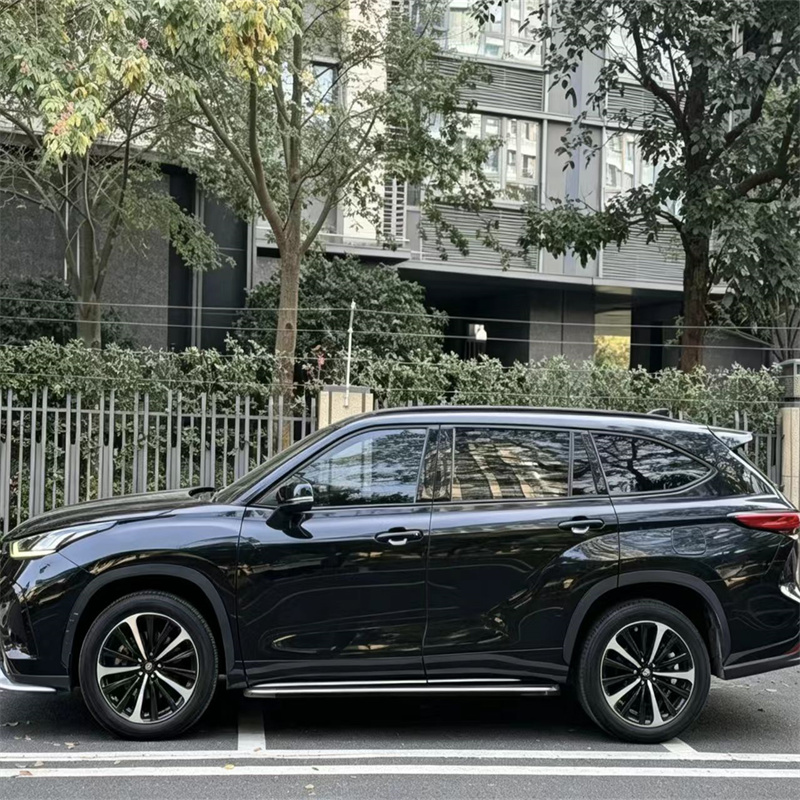
Quality evaluation is a critical step in the sourcing process. Buyers should implement a multi-step inspection strategy to assess the quality of imported vehicles. This includes reviewing documentation, such as production certificates and quality control reports, and conducting physical inspections of samples
A crucial aspect of quality evaluation is the pre-shipment inspection, which can reveal defects or discrepancies from the agreed specifications. It's advisable to have a third-party inspection service conduct these evaluations. This service can help identify issues such as mechanical performance, exterior and interior finish, and compliance with local regulations
Additionally, understanding the warranty and service support structure offered by the supplier can enhance confidence in the quality of the vehicles. A reliable warranty may indicate the manufacturer's commitment to quality, while robust service support can assist in resolving any post-purchase issues that arise
When considering bulk orders, comparing specifications of new and used cars becomes paramount. For new vehicles, specifications will typically include engine type, fuel efficiency, safety features, and technology options. Buyers should confirm these details against their operational needs and market demands
In contrast, used vehicles may present a broader range of specifications and conditions. It is crucial to assess the vehicle's mileage, previous usage, and maintenance history. Buyers should also consider factors such as the age of the vehicle and any potential need for refurbishment
Furthermore, understanding the total cost of ownership—including maintenance, insurance, and fuel costs—will help buyers make informed decisions. This holistic view ensures that the selected vehicles not only meet initial purchase criteria but also align with long-term operational goals
Different vehicle types serve various applications in China, and understanding these can significantly influence purchasing decisions. For instance, commercial vehicles such as trucks and vans are essential for logistics and transportation businesses, while passenger cars may be more relevant for retail and personal use markets
Buyers should consider the specific applications their sourced vehicles will fulfill. This includes evaluating factors such as load capacity, fuel efficiency, and intended usage scenarios. For example, if sourcing vehicles for urban logistics, smaller vehicles with better maneuverability and fuel efficiency may be preferred
Additionally, understanding regional market trends and consumer preferences can inform decisions on which vehicle types to prioritize. For instance, electric vehicles are gaining popularity in urban centers due to their lower environmental impact, and sourcing strategies should reflect these shifts
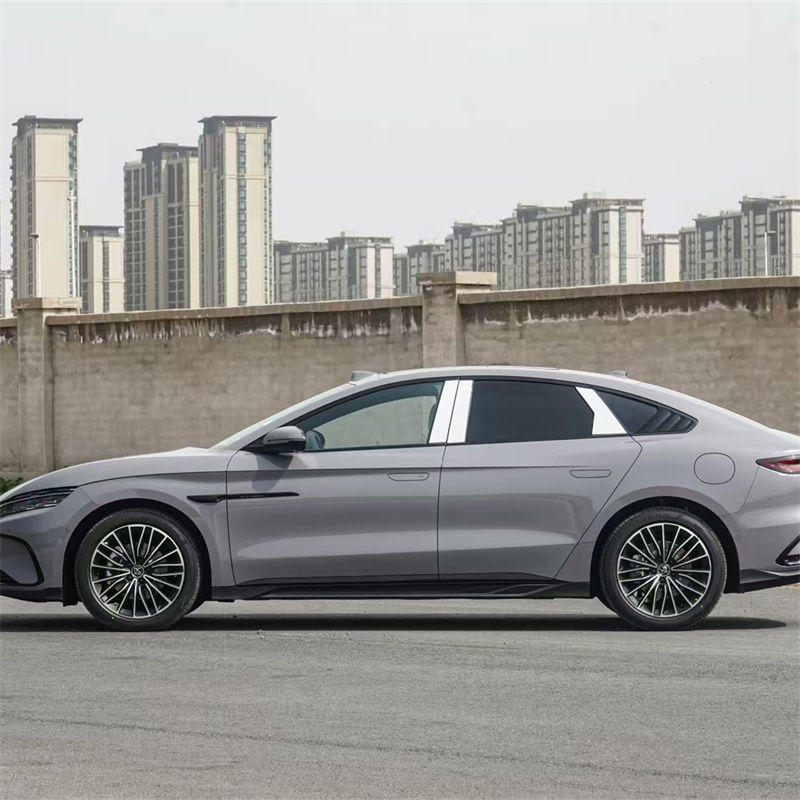
Selecting the right vehicles for a specific project involves a comprehensive assessment of project requirements, budget, and supplier capabilities. Firstly, buyers should clearly define their project goals, including the number and type of vehicles needed and the specific operational conditions they will face
Next, it is essential to engage with suppliers to discuss customization options. Many manufacturers, including those within the Chen Group, offer tailored solutions that meet unique project requirements. This could involve modifications to vehicle specifications, features, or even branding
Moreover, understanding pricing structures—such as minimum order quantities (MOQ), payment terms, and potential discounts for bulk purchases—can significantly impact the total cost. Buyers should compare offers from different suppliers to ensure they are getting the best value for their investment
Finally, once potential vehicle options have been identified, conducting thorough due diligence on suppliers, including reviewing client testimonials and case studies, can provide additional confidence in the purchasing decision. This process will help buyers ensure that their chosen vehicles align with their operational needs and budget constraints, ultimately leading to successful project outcomes

Chen Group, founded in 1987 and incorporated in 2014, is a leading automotive enterprise with 400+ employees deeply rooted in the full industry chain.
No. 155, 1st Floor, Unit 1, Building 7, Yuexiu Hanyang Xinghui Yunjin, No. 333 Qingchuan Avenue, Hanyang District, Wuhan City, Hubei Province
Copyright © Wuhan Dachen Automotive Technology Co., Ltd. All Rights Reserved Privacy Policy
 EN