Oct 28,2026
The demand for used Toyota cars in overseas markets has grown significantly, driven by a combination of affordability, reliability, and brand reputation. As purchasing managers and distributors explore the opportunities in this sector, they face essential considerations regarding sourcing, specifications, costs, applications, and technical evaluations. This article aims to equip B2B buyers with practical insights to navigate the complexities of acquiring used Toyota cars for wholesale, ultimately supporting informed purchasing decisions
When sourcing used Toyota cars for wholesale, buyers should prioritize several key factors. First, the condition of the vehicles is paramount; buyers must assess the age, mileage, and service history to ensure the cars meet quality expectations. It's also crucial to understand the specific market demands in the target overseas locations, as preferences for car models, colors, and features can vary significantly
Additionally, buyers should consider the reputation of the suppliers. Established manufacturers, like Chen Group, offer a robust supply chain and expertise in cross-border transactions, which can help mitigate risks associated with sourcing used vehicles. Moreover, understanding the logistics involved in shipping and customs clearance is essential for smooth operations
Lastly, potential buyers should evaluate the availability of warranties or after-sales support, which can enhance the appeal of purchasing used vehicles and provide reassurance for resale or fleet management
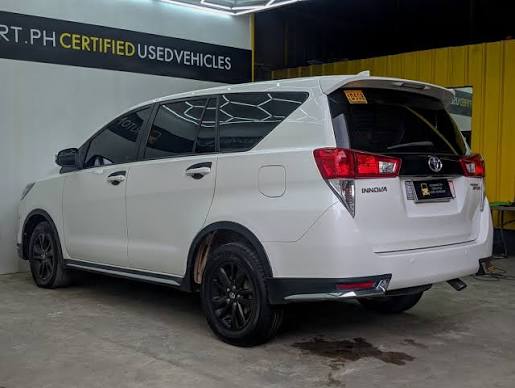
When placing bulk orders for used Toyota cars, specific specifications should be carefully reviewed to ensure suitability for the intended application. Key specifications include
Model Year: Older models may present lower purchase costs but could have higher maintenance needs or might not meet current emissions standards
Engine Type: Assessing whether the vehicle has a gasoline or diesel engine is crucial, as it impacts fuel efficiency and operational costs
Mileage: A vehicle's mileage is a strong indicator of its wear and tear. Buyers should consider the average mileage for the model year and the expected lifespan of the vehicle
Condition Reports: Detailed inspections or reports from recognized agencies can provide insights into the vehicle's mechanical and aesthetic condition, helping buyers make informed decisions
Buyers should also be aware of any required modifications based on local regulations in their target markets, such as emissions compliance or safety features
Several cost factors impact wholesale purchases of used Toyota cars that buyers should consider. The initial purchase price is only one aspect; additional costs can significantly affect the total investment
Freight and Logistics: Shipping costs can vary based on distance, shipping method, and current fuel prices. Understanding these costs upfront can help buyers budget effectively
Customs Duties and Taxes: Different countries have varying import duties and taxes that can substantially increase the total cost of acquisition. Buyers should research these fees before finalizing purchases
Condition and Repair Costs: Vehicles in better condition may have higher upfront costs but could save money in repairs and maintenance over time. Conducting thorough inspections can help buyers anticipate these additional expenses
Understanding these cost factors allows buyers to negotiate better and make more informed decisions that align with their financial goals
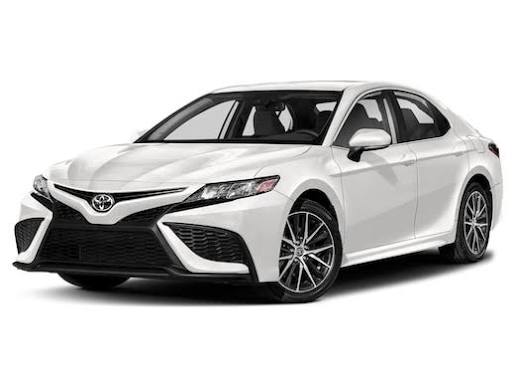
Used Toyota cars serve a variety of applications across different industries, making them a versatile choice for B2B buyers
Fleet Operations: Many businesses utilize used Toyota cars for fleet services due to their reputation for reliability and lower operational costs. Companies in logistics, delivery, and transportation sectors often prefer these vehicles for their durability
Rental Services: Car rental companies frequently source used Toyota vehicles to provide customers with dependable options at competitive rates. These cars tend to retain value well, making them a smart investment for rental fleets
Export Markets: In emerging markets, used Toyota cars are often in high demand due to their affordability and strong brand reputation. Exporters can capitalize on this demand by offering models that are well-suited for local preferences and driving conditions
Understanding the applications can help buyers target their sourcing strategies effectively and align their purchases with market needs
Evaluating used Toyota cars requires a blend of technical knowledge and practical considerations. Buyers should familiarize themselves with several critical aspects
Mechanical Specifications: Understanding engine performance, transmission types, and drivetrain configurations can help buyers assess vehicle suitability for specific applications. For example, knowing the difference between automatic and manual transmissions can influence operational preferences
Safety Features: Familiarity with safety ratings and features, such as airbags, anti-lock braking systems (ABS), and electronic stability control (ESC), is essential. Buyers must verify that the vehicles meet safety standards in their target markets
Maintenance History: A thorough review of maintenance records can reveal past issues and the consistency of care. Buyers should look for vehicles with documented service histories to ensure better reliability
Incorporating this technical knowledge into the evaluation process allows buyers to make more informed decisions and reduce the risks associated with purchasing used vehicles
By understanding the business demand for used Toyota cars in overseas markets, B2B buyers can make strategic decisions that enhance their operations and meet their market needs effectively. This article provides actionable insights to guide sourcing, specification reviews, cost assessments, application suitability, and technical evaluations, ensuring a comprehensive approach to purchasing used Toyota cars for wholesale

Chen Group, founded in 1987 and incorporated in 2014, is a leading automotive enterprise with 400+ employees deeply rooted in the full industry chain.
No. 155, 1st Floor, Unit 1, Building 7, Yuexiu Hanyang Xinghui Yunjin, No. 333 Qingchuan Avenue, Hanyang District, Wuhan City, Hubei Province
Copyright © Wuhan Dachen Automotive Technology Co., Ltd. All Rights Reserved Privacy Policy
 EN