Nov 02,2026
The increasing availability of used Volkswagen cars in export supply is a significant opportunity for B2B buyers, including purchasing managers and distributors, looking to enhance their offerings. As a leading automotive enterprise, Chen Group, alongside its subsidiary Wuhan Dachen Technology, specializes in the cross-border export of these vehicles. This article will delve into the essential considerations for sourcing used Volkswagen cars, addressing quality evaluation processes, specifications, cost factors, common import challenges, and model comparisons, ultimately guiding buyers to make informed purchasing decisions
When sourcing used Volkswagen cars for export, a thorough quality evaluation process is crucial. This process typically involves inspecting the vehicle's overall condition, including its exterior and interior features, engine performance, and mechanical systems. Key aspects to scrutinize include
Vehicle History: Understanding the car's history, including previous ownership, accident records, and service maintenance, is vital. This information can be obtained through vehicle history reports, which detail past repairs and any reported damages
Mechanical Inspection: A comprehensive mechanical evaluation should be conducted to identify any potential issues. This includes checking the engine, transmission, brakes, and suspension systems. Engaging a qualified mechanic for this inspection can provide insights into the reliability of the vehicle
Cosmetic Condition: Buyers should assess the bodywork for signs of rust, paint damage, or previous repairs. A vehicle with significant cosmetic flaws may require additional investment to restore its appearance
Documentation Verification: Ensuring that all necessary documentation, including title, registration, and export paperwork, is in order is crucial for a smooth transaction
By implementing a rigorous quality evaluation process, buyers can mitigate risks and enhance their acquisition strategies for used Volkswagen cars
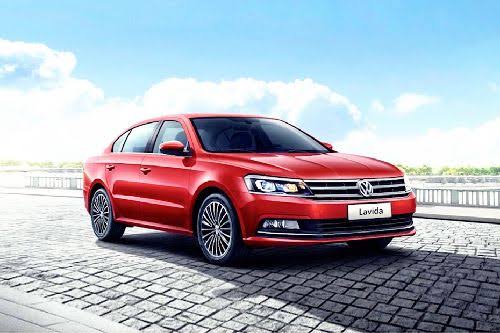
When sourcing used Volkswagen vehicles, several specifications should be evaluated to ensure they meet the intended application and performance requirements. Key specifications to consider include
Engine Type and Performance: Different Volkswagen models offer various engine types, such as gasoline or diesel. Buyers should consider the engine's displacement, power output, and fuel efficiency as these factors directly impact operational costs and performance suitability
Transmission Options: Manual and automatic transmissions are available across Volkswagen models. Buyers should assess the compatibility of the transmission type with their target market preferences and driving conditions
Safety Features: Modern Volkswagen vehicles come equipped with advanced safety features, including airbags, anti-lock braking systems, and stability control. Buyers should prioritize models with high safety ratings and essential safety technology to ensure customer satisfaction
Mileage: The mileage of a used vehicle is a critical indicator of its wear and tear. Lower mileage typically suggests less usage, which can correlate with fewer maintenance issues in the future
Emissions Standards: Compliance with local emissions regulations is essential for export vehicles. Buyers should verify that the used Volkswagen cars meet the environmental standards of the destination country to avoid legal complications
Understanding these specifications will allow buyers to select the right vehicles that align with their business needs and customer expectations
Several cost factors influence the wholesale pricing of used Volkswagen approved used cars, and understanding these can help buyers negotiate better deals. Key cost considerations include
Acquisition Costs: The initial purchase price of the vehicle is a primary cost factor. Buyers should compare prices from various suppliers to identify competitive rates, taking into account the vehicle's condition, age, and specifications
Transportation and Logistics: Costs associated with transporting the vehicles from the supplier to the final destination can vary significantly. Buyers should consider shipping methods, distance, and any tariffs or customs fees that may apply
Inspection and Reconditioning: Expenses related to vehicle inspection and any necessary repairs or refurbishments before sale should also be factored into the total cost. Investing in quality reconditioning can enhance resale value and customer satisfaction
Market Demand: The demand for specific Volkswagen models can affect pricing. Higher demand often leads to increased prices, while less popular models may offer more favorable pricing
Financing Options: Buyers should explore financing options available for bulk purchases, as favorable terms can significantly impact overall costs
By carefully evaluating these cost factors, buyers can make financially sound decisions when purchasing used Volkswagen cars for export
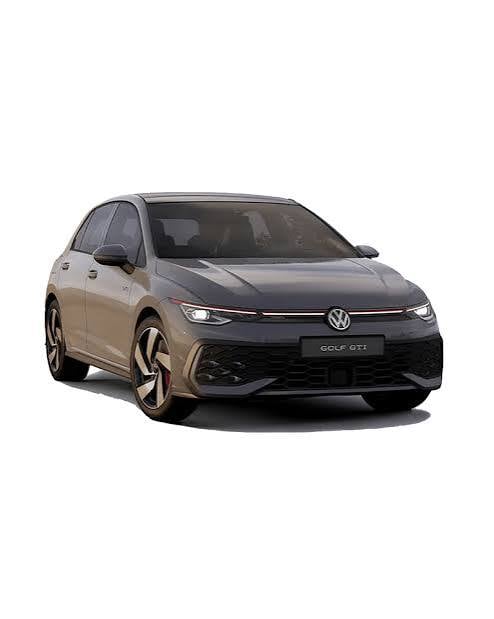
Importing used Volkswagen approved used cars can present various challenges that buyers should be aware of to avoid costly mistakes. Common problems include
Customs Delays: Delays in customs clearance can occur due to incomplete documentation or non-compliance with local regulations. To mitigate this, buyers should ensure all paperwork is accurate and complete, including import permits and customs declarations
Condition Discrepancies: The condition of the vehicle as presented by the seller may not always match the actual state upon arrival. To address this, buyers should conduct thorough inspections and consider requesting a pre-shipment inspection report from a trusted third party
Compliance Issues: Some vehicles may not meet the emissions or safety standards of the importing country, leading to potential fines or rejection at customs. Buyers should verify compliance requirements specific to their target market before finalizing purchases
Shipping Damage: Vehicles may sustain damage during transportation. To minimize this risk, buyers should ensure that the vehicles are adequately secured during shipping and consider purchasing insurance for added protection
Market Fluctuations: Changes in market demand or economic conditions can affect resale value. Buyers should conduct market research to understand trends and make informed purchasing decisions
By proactively addressing these common problems, buyers can enhance their import experience and reduce the likelihood of unexpected challenges
Selecting the right Volkswagen model for wholesale purposes involves comparing various options based on specific business needs. Factors to consider include
Model Popularity: Some Volkswagen models, such as the Golf and Passat, are more popular in certain markets. Buyers should analyze local market trends to identify which models are likely to sell quickly
Features and Specifications: Different models come with various features, including size, engine options, and technology. Buyers need to assess which features align with their customer base and market demands
Resale Value: Certain models may retain their value better than others. Researching historical resale values can guide buyers in selecting models that are likely to provide better long-term returns
Maintenance Costs: Some models may have higher maintenance or repair costs. Buyers should consider the availability of parts and the average service costs associated with each model to ensure profitability
Customization Options: Understanding the customization options available for each model can help buyers cater to specific customer preferences and differentiate their offerings in the market
By carefully comparing used Volkswagen models against these criteria, buyers can make strategic choices that enhance their competitive edge in the automotive market

Chen Group, founded in 1987 and incorporated in 2014, is a leading automotive enterprise with 400+ employees deeply rooted in the full industry chain.
No. 155, 1st Floor, Unit 1, Building 7, Yuexiu Hanyang Xinghui Yunjin, No. 333 Qingchuan Avenue, Hanyang District, Wuhan City, Hubei Province
Copyright © Wuhan Dachen Automotive Technology Co., Ltd. All Rights Reserved Privacy Policy
 EN